From linear to circular: South Africa's zero-waste ambition
South Africa is shifting from a throwaway economy to a circular one. Here's the vision, the progress and the road ahead.
For most of the industrial age, economies have run on a simple, destructive model: take resources, make products, use them, throw them away. South Africa, like the rest of the world, is now working to replace that linear model with a circular one — and the destination is a zero-waste future. Here's the vision, where we are, and the road ahead.
The linear economy and its limits
The linear "take-make-dispose" economy has a fatal flaw: it assumes infinite resources and infinite space for waste. Neither exists. We're depleting raw materials, filling up landfills, and polluting the environment with discarded products. For South Africa, with strained landfills and pressing environmental challenges, the limits of the linear model are increasingly obvious.
The circular alternative
A circular economy is designed to be regenerative. Instead of a one-way line from resource to rubbish, it forms loops: materials are kept in use through reuse, repair, refurbishment and recycling, and biological materials are returned to the soil through composting. Waste is designed out from the start. The goal is to decouple economic activity from the consumption of finite resources — to prosper without exhausting the planet.
South Africa's ambition
This vision is now official policy. The National Waste Management Strategy (2020) explicitly champions the move towards a circular economy and the waste hierarchy — avoid, reduce, reuse, recycle, recover, and only then dispose. Extended Producer Responsibility regulations make producers responsible for their products' end of life. Provinces and municipalities, including the City of Cape Town, are driving diversion, separation at source and organics restrictions. The direction is set: away from dumping, towards circularity.
The progress so far
Real progress is visible:
- Recycling rates for several materials are respectable by global standards, thanks largely to a strong collector network.
- EPR is channelling producer funding into collection and recycling.
- Buyback models like Packa-Ching are extending recycling into communities.
- Organics diversion is gaining momentum, especially in the Western Cape.
- Awareness of recycling and waste is steadily growing.
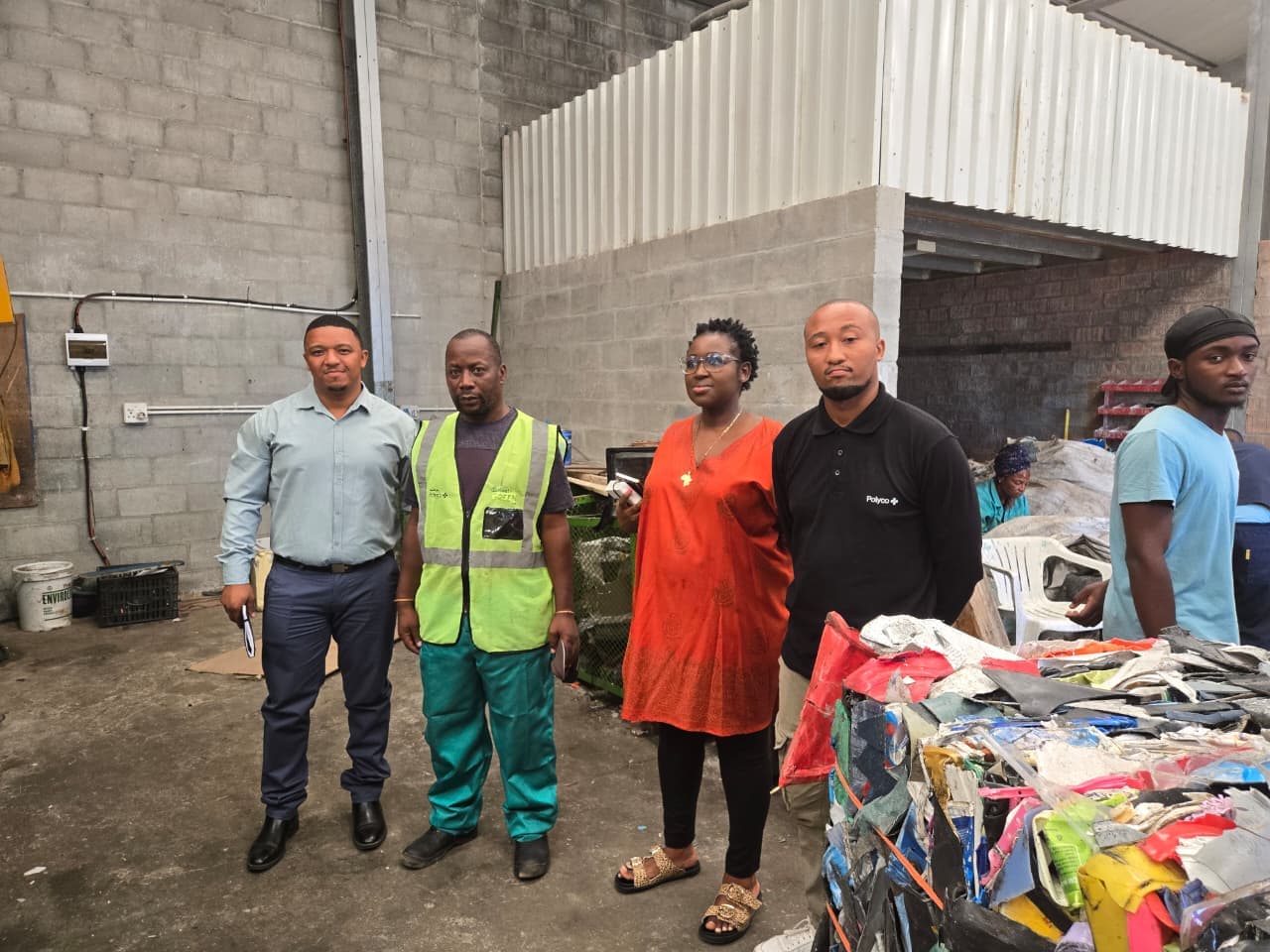
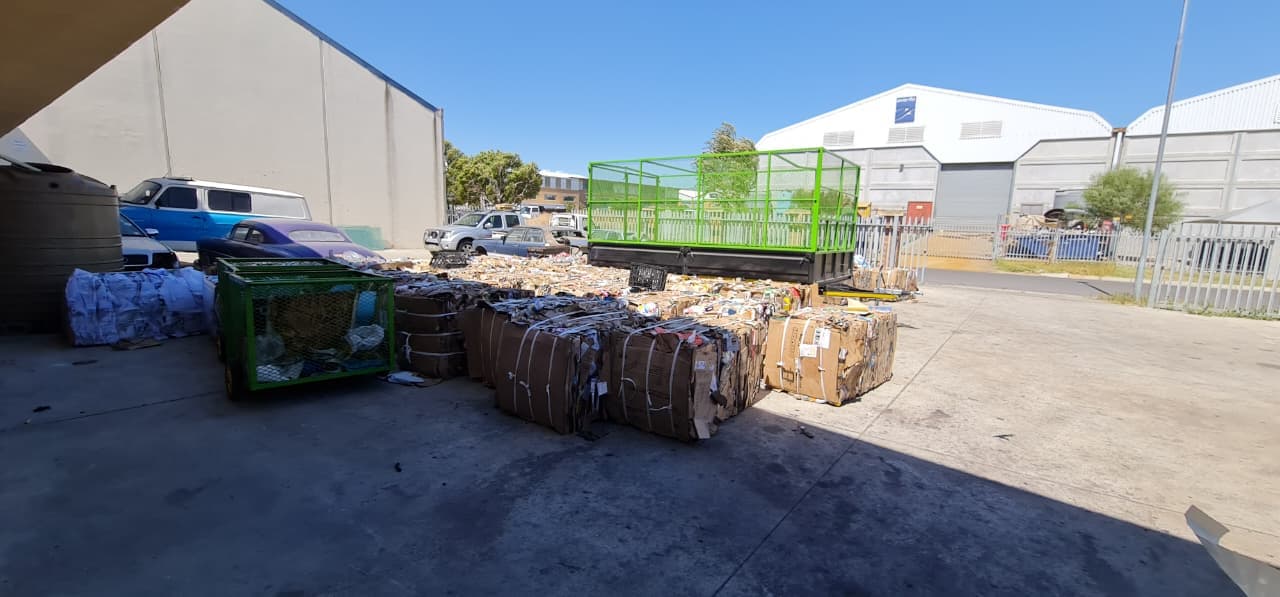
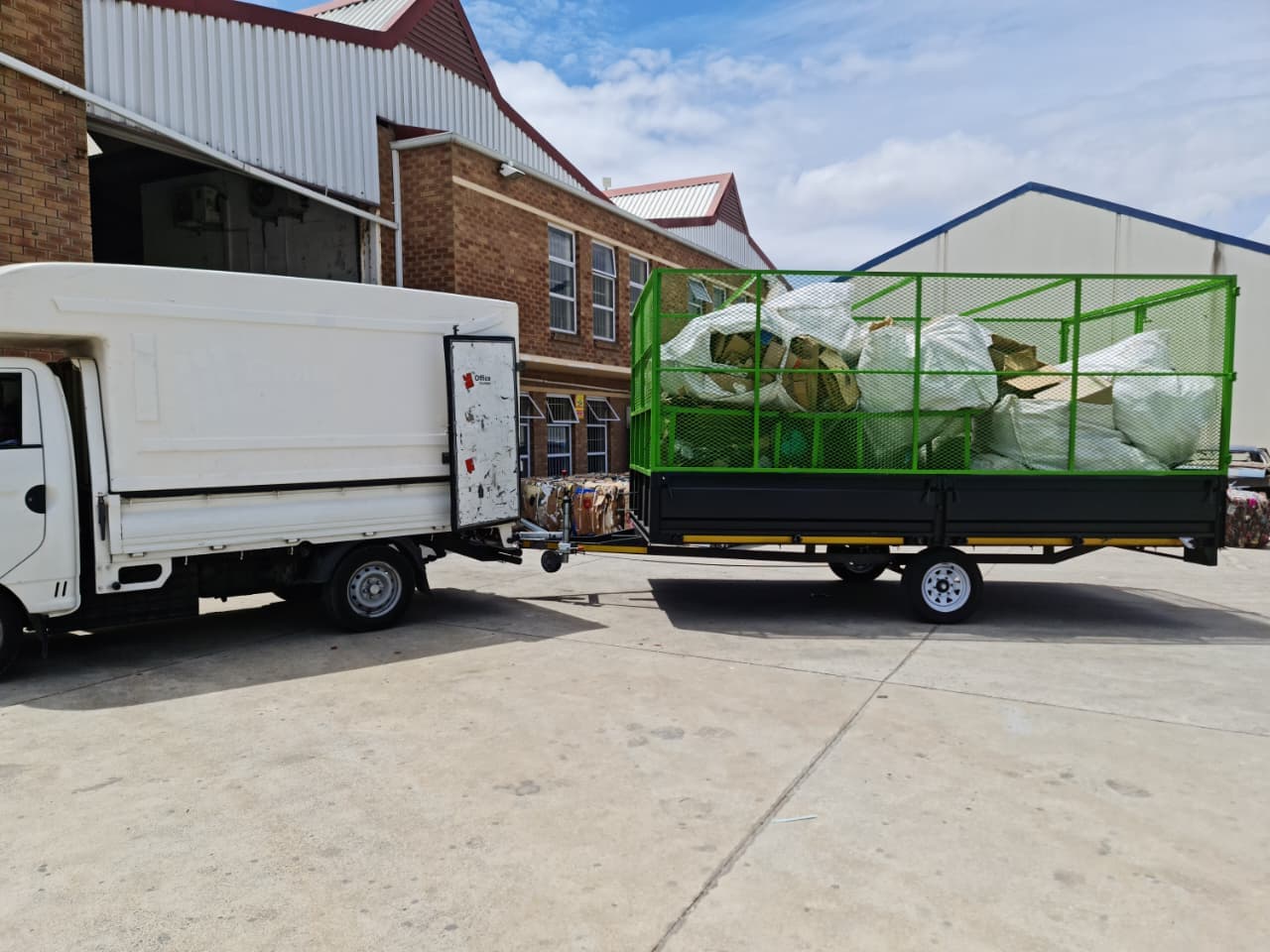
Operators like WasteGo Green are part of this progress — turning circular principles into daily practice in Milnerton and surrounding communities.
The road ahead
Significant challenges remain on the journey to zero waste:
- Closing service gaps so all communities have proper waste and recycling access.
- Tackling illegal dumping and littering, which blight communities and the environment.
- Scaling organics diversion to keep food and garden waste out of landfill.
- Improving packaging design so more of it is genuinely recyclable.
- Formalising and supporting collectors, ensuring EPR funds reach the people doing the work.
- Building markets for recycled materials so the economics keep working.
- Changing behaviour at scale, so reducing, reusing and recycling become the norm.
Why it's worth it
The circular transition isn't just an environmental nicety — it's a strategic opportunity for South Africa:
- Jobs. Circular activities are labour-intensive in good ways, creating accessible work.
- Resource resilience. Recovering local materials reduces reliance on imports and virgin resources.
- Cleaner environment. Less waste means less pollution and healthier communities.
- Climate benefits. Recycling and diversion cut emissions.
- Innovation. New industries and enterprises grow around recovering and reusing materials.
Everyone has a role
A circular economy isn't built by government or industry alone — it's built by all of us. Producers must design better and fund recovery. Recyclers and collectors must keep materials flowing. And every household and business must reduce, reuse, separate and recycle. The zero-waste ambition is collective by nature.
A future worth building
South Africa's shift from linear to circular is one of the most important economic and environmental transitions of our time. It's ambitious, it's challenging, and it's already underway. Every recycled bottle, every composted peel, every buyback transaction is a thread in the new, circular fabric we're weaving together.
Be part of the circular future. Recycle, divert and earn with WasteGo Green — and help turn South Africa's zero-waste ambition into reality.
Got recyclables? Turn them into cash.
Bring your sorted recyclables to WasteGo Green and get paid by weight.