Green jobs: building careers in waste and recycling
The recycling industry is a genuine source of jobs and careers. Here's a look at the range of green work the sector creates.
When people think of "jobs", recycling rarely springs to mind. Yet the waste and recycling sector is a substantial and growing source of employment — from entry-level work that requires no qualifications to skilled and professional careers. In a country wrestling with unemployment, these "green jobs" matter enormously.
What are green jobs?
Green jobs are roles that contribute to preserving or restoring the environment. In the recycling sector specifically, they're the jobs created by collecting, sorting, processing and remarketing materials that would otherwise be waste. Crucially, many are accessible — they offer livelihoods to people who face barriers to formal employment.
The range of work the sector creates
The recycling value chain is longer and more varied than most realise:
Collection
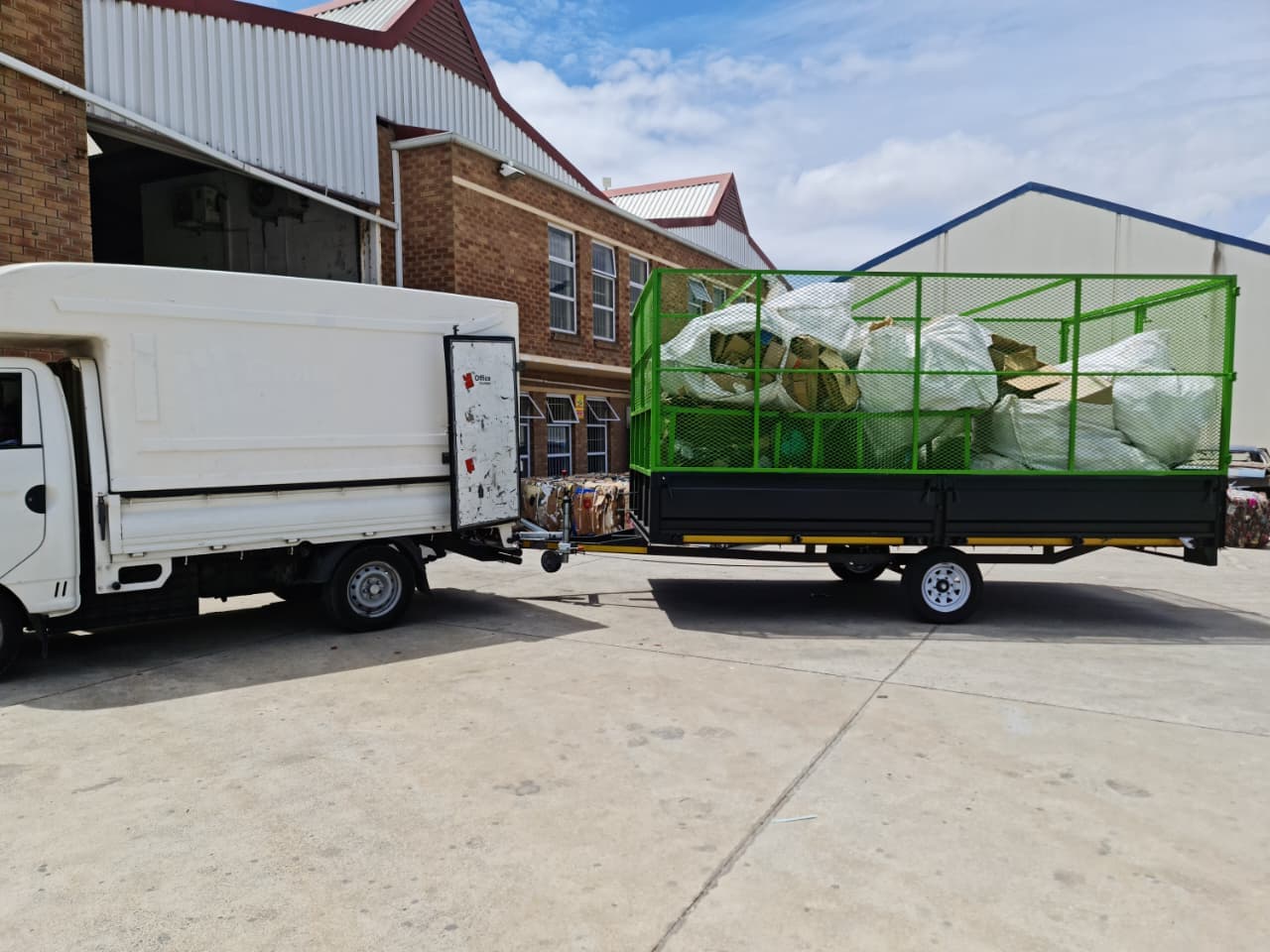
- Informal collectors and reclaimers who gather recyclables from communities and streets — the foundation of the whole system.
- Buyback operators who weigh, pay for and aggregate material.
- Drivers and logistics staff who transport recyclables.
Sorting and processing
- Sorters who separate material by stream and grade.
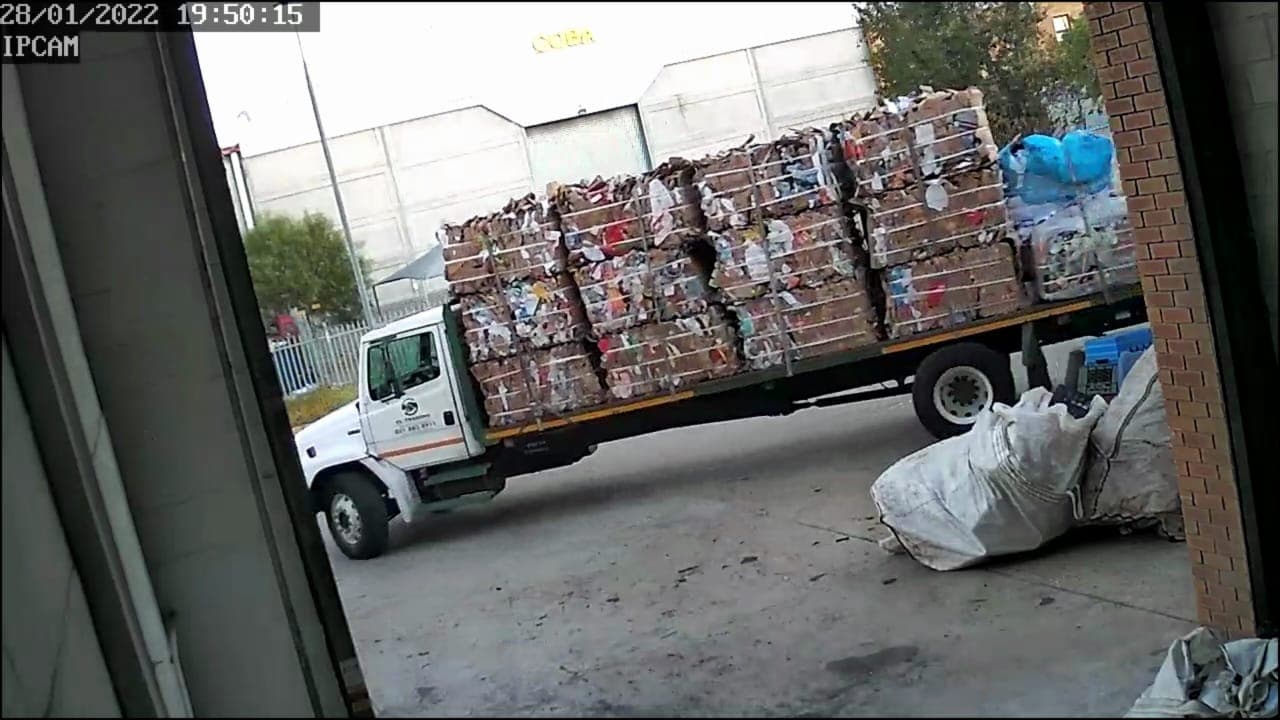
- Balers and machine operators who process and compact material.
- Quality controllers who ensure bales meet recycler specifications.
Operations and management
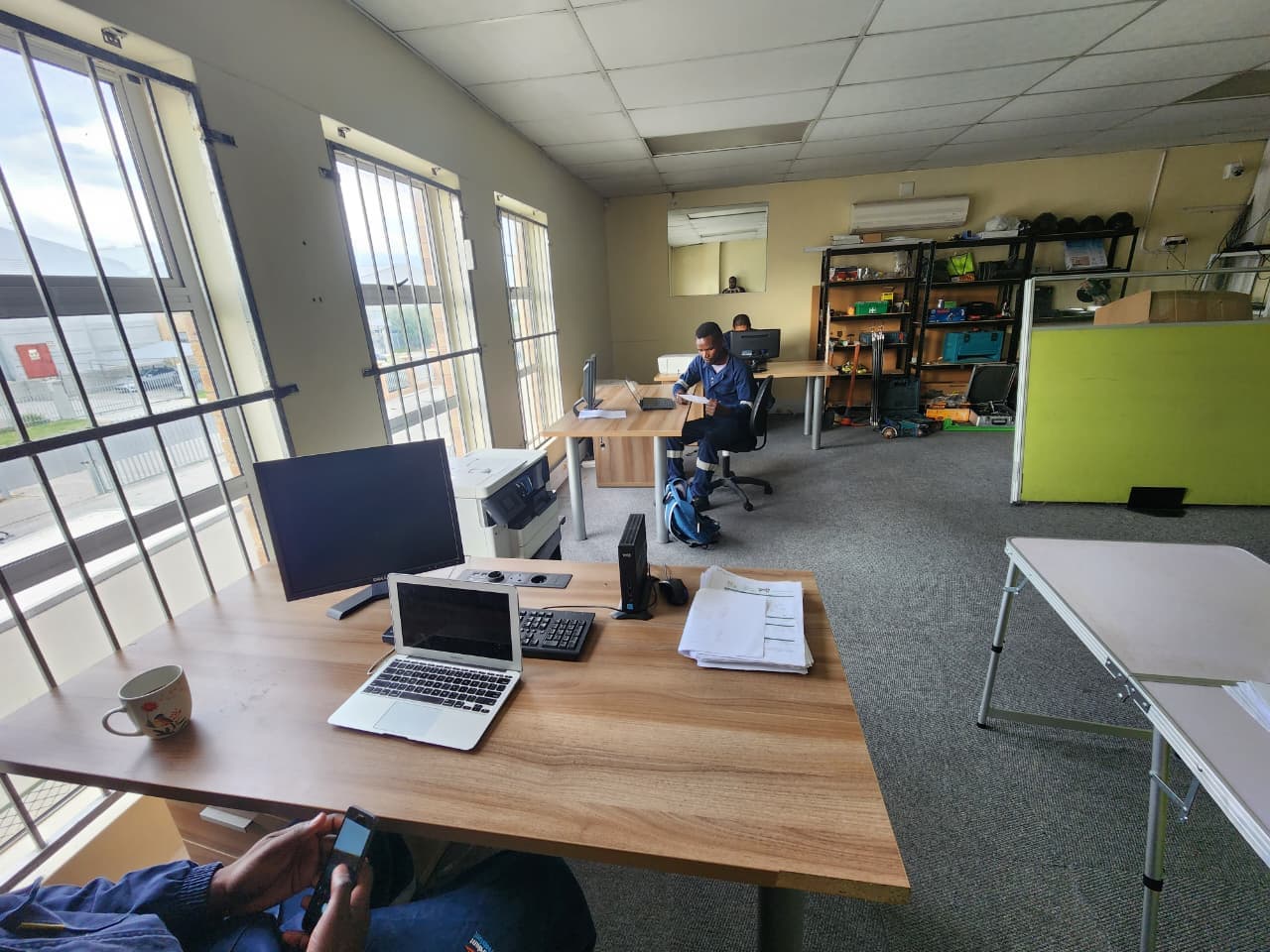
- Supervisors and depot managers who run facilities.
- Administrators, bookkeepers and coordinators who keep operations running.
- Sales and procurement staff who buy material and sell output.
Skilled and professional roles
- Maintenance technicians who service equipment.
- Environmental and compliance specialists.
- Educators and community coordinators who run awareness and buyback programmes.
- Entrepreneurs who build and grow recycling enterprises.
Why these jobs are so valuable
- Accessibility. Collection and sorting offer entry points for people without formal qualifications.
- Scalability. As recycling grows, so does employment across the chain.
- Local impact. The work stays in communities, circulating income locally.
- Dignity and purpose. It's meaningful work that visibly improves the environment.
- Pathways. People can progress from collecting to managing to owning enterprises.
A ladder, not just a job
One of the most powerful aspects of the recycling sector is that it offers a progression. A person can start by collecting their own household recyclables, grow into a neighbourhood collector, build a small aggregation business, and eventually run a recycling enterprise employing others. This ladder out of unemployment is exactly what an inclusive economy needs.
Supporting green-job creation
Green jobs flourish when the conditions are right:
- Stable markets for recovered materials, supported by EPR and demand for recycled content.
- Fair buyback that makes collection a viable livelihood.
- Skills development that lifts people up the ladder.
- Safe, dignified working conditions.
- Access to equipment and finance for those building enterprises.
WasteGo Green's contribution
As a community-rooted recycler, WasteGo Green creates and supports green jobs directly — employing staff, supporting a network of collectors with gear and fair pay, and helping people grow from collecting into enterprise. This is the recycling sector's promise in action: environmental work that's also economic opportunity.
The bigger picture
In a city and country where unemployment is one of the greatest challenges, an industry that creates accessible, scalable, dignified work while cleaning up the environment is a rare double win. Recycling isn't just good for the planet — it's a genuine source of jobs and careers for South Africans.
Interested in green work or building a recycling enterprise? Connect with WasteGo Green to learn how to get started.
Got recyclables? Turn them into cash.
Bring your sorted recyclables to WasteGo Green and get paid by weight.