What WasteGo Green pays for: a guide to buyback materials
From PET bottles to cardboard and cans, here's a clear rundown of the materials we buy back, how to prepare them, and what affects the price.
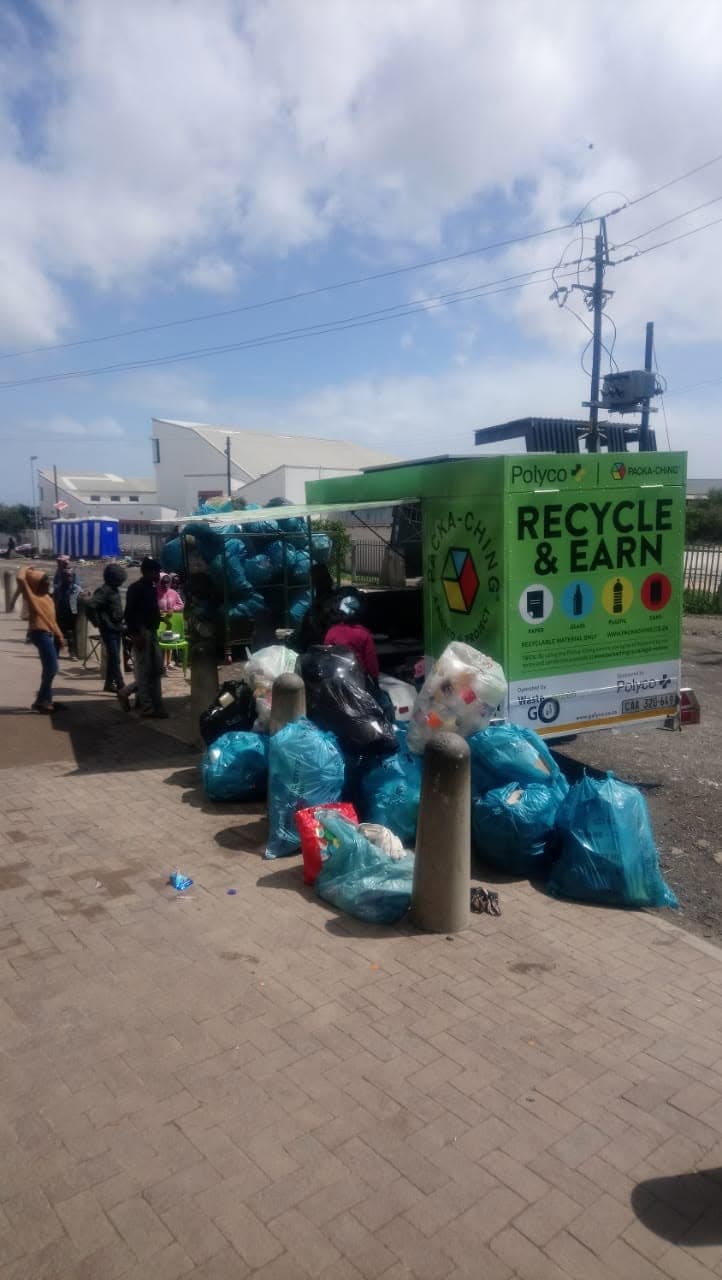
One of the most common questions we get is simple: "What do you actually pay for?" This guide breaks down the materials WasteGo Green buys back at our Milnerton centre and at Packa-Ching buyback days, how to prepare each one, and why prices move.
How buyback pricing works
Recyclables are commodities. Their prices are set by the recyclers and mills that turn them into new products, and those prices rise and fall with demand, oil prices (for plastics), export markets and the quality of the material. That means two things:
- Rates change over time. We always confirm the current rate on the day.
- Quality drives price. Clean, dry, well-sorted material earns more than contaminated, mixed loads.
With that in mind, here's what we buy.
Plastics
- PET (code 1) — clear cold-drink and water bottles. One of the most valuable household plastics. Empty, rinse, and you can leave the cap on.
- HDPE (code 2) — milk bottles, shampoo and detergent containers. Rinse out residue.
- LDPE film (code 4) — clean shopping bags and packaging film. Must be dry and free of food.
Keep plastics sorted by type where you can — mixed plastic is worth less than a clean single stream.
Paper and cardboard
- Cardboard boxes (K4) — flattened and dry. Wet cardboard loses weight value fast, so keep it out of the rain.
- Office and white paper — among the higher-value paper grades.
- Newspaper and magazines — accepted; keep dry and clean.
Avoid waxed cartons, tissue, and paper contaminated with food or oil.
Metals
- Aluminium cans — light but valuable. Rinse and crush to save space.
- Steel/tin cans — food tins, empty and rinsed.
Metals are reliably recyclable and aluminium in particular holds strong value because recycling it uses a fraction of the energy of making new metal.
Glass
- Bottles and jars — endlessly recyclable. Keep them whole and, where possible, sorted by colour. Remove lids.
What we cannot accept
To protect the value of every load, we cannot take:
- Food waste, nappies and general rubbish
- Polystyrene and multi-layer pouches (chip packets, some snack wrappers)
- Wet or heavily soiled paper and cardboard
- Broken glass mixed into other streams
- Hazardous materials, paint and chemicals
When these end up in a recycling bag, they contaminate good material and can cause the whole bag to be downgraded.
Preparing for the best price
A few minutes of preparation noticeably increases your payout:
- Sort by material. Separate bags for plastic, paper, cans and glass.
- Empty and rinse. No food, no liquid.
- Keep it dry. Especially paper and cardboard.
- Flatten and squash. Carry more per trip.
- Build volume. Bigger, cleaner loads are worth more and worth your time.
Weigh-in, get paid
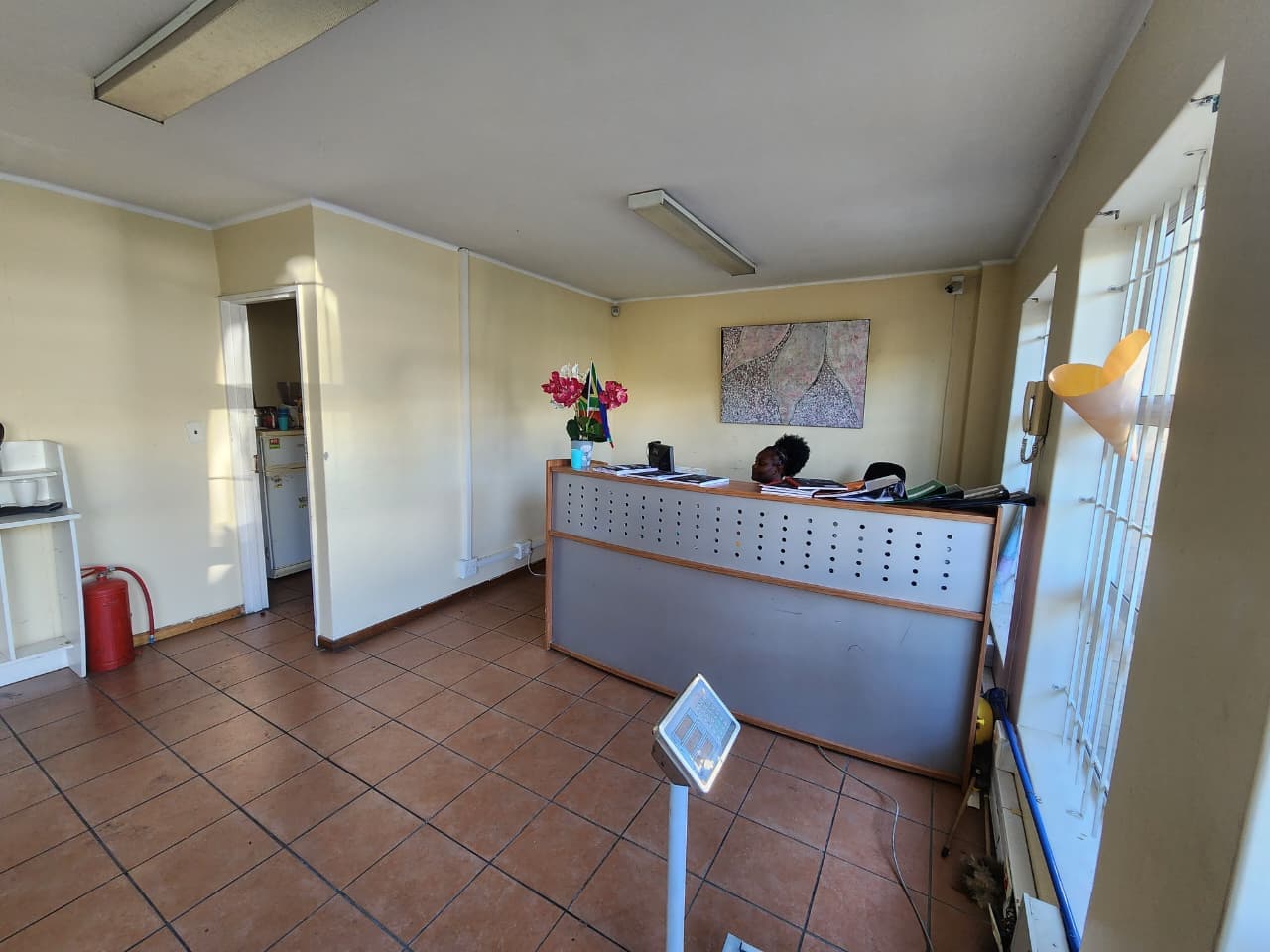
At our buy-back centre, each material is weighed separately on calibrated scales so you can see exactly what you're earning. At Packa-Ching days, your earnings load onto a secure wallet. Either way, the process is transparent — you see the weight, the rate and the payment.
The bigger picture
Every kilogram you sell is material kept out of landfill and fed back into local manufacturing. It supports jobs across the chain, from collectors to balers to mill workers, and helps Cape Town move towards its waste-diversion targets. Recycling for cash is one of the rare wins that's good for your wallet, your community and the environment at the same time.
Not sure how to prepare a particular item? Ask us — we're always happy to help you get the most from your recyclables.
Got recyclables? Turn them into cash.
Bring your sorted recyclables to WasteGo Green and get paid by weight.