Cape Town's journey to becoming a zero-waste city
Zero waste is an ambitious goal — and Cape Town is steadily building towards it. Here's what the journey looks like and how you fit in.
"Zero waste" sounds impossible — and as a literal target it nearly is. But as a direction of travel, it's exactly where forward-looking cities are heading, Cape Town among them. The journey is about steadily diverting more and more waste away from landfill and back into use. Here's what that journey looks like and how every resident is part of it.
What does "zero waste" actually mean?
Zero waste doesn't mean producing no waste at all. It means designing systems so that as little as possible ends up buried or burned, and as much as possible is reduced, reused, recycled, composted or recovered. The aim is to treat waste as a resource to be kept in use, not a problem to be dumped.
Why Cape Town needs this
The pressure is real and growing:
- Landfills are filling up. Sites like Vissershok and Coastal Park have finite space, and creating new landfill is enormously expensive and unpopular.
- Waste is costly. Collecting and burying rubbish drains municipal budgets.
- The environment suffers. Landfills generate methane, leachate and litter; dumped waste pollutes rivers, vleis and the ocean.
- Opportunity is wasted. Buried recyclables are lost value, jobs and raw materials.
Diverting waste isn't a luxury — it's a necessity for a growing city.
The building blocks of the journey
Cape Town's path towards zero waste rests on several pillars:
- Separation at source — sorting recyclables from general waste at home and work.
- Recycling infrastructure — buyback centres, sorting facilities, drop-offs and collectors.
- Organic diversion — composting and processing food and garden waste, which makes up a large share of the waste stream.
- The circular economy — designing out waste and keeping materials in use through reuse, repair and recycling.
- Education and behaviour change — helping residents understand and adopt better habits.
- Producer responsibility (EPR) — making producers fund the recovery of their packaging.
- Inclusive systems — integrating and supporting the informal collectors who recover so much material.
Progress and reality
The journey is incremental. Recycling rates rise, more buyback points open, organic diversion grows, and behaviour slowly shifts. There are setbacks too — contamination, illegal dumping, market fluctuations and infrastructure gaps. But the overall direction is clear, and it aligns with South Africa's National Waste Management Strategy and global sustainability goals.
Where you fit in
A zero-waste city isn't built by the municipality alone — it's built by millions of small actions:
- Separate your recyclables and keep them clean and dry.
- Reduce and reuse before you recycle.
- Compost your food and garden waste.
- Sell recyclables at buyback to keep them in the loop and earn.
- Refuse to dump and report illegal dumping.
- Support recyclers and collectors who do the essential work.
Every one of these moves the city a step closer.
The role of operators like WasteGo Green
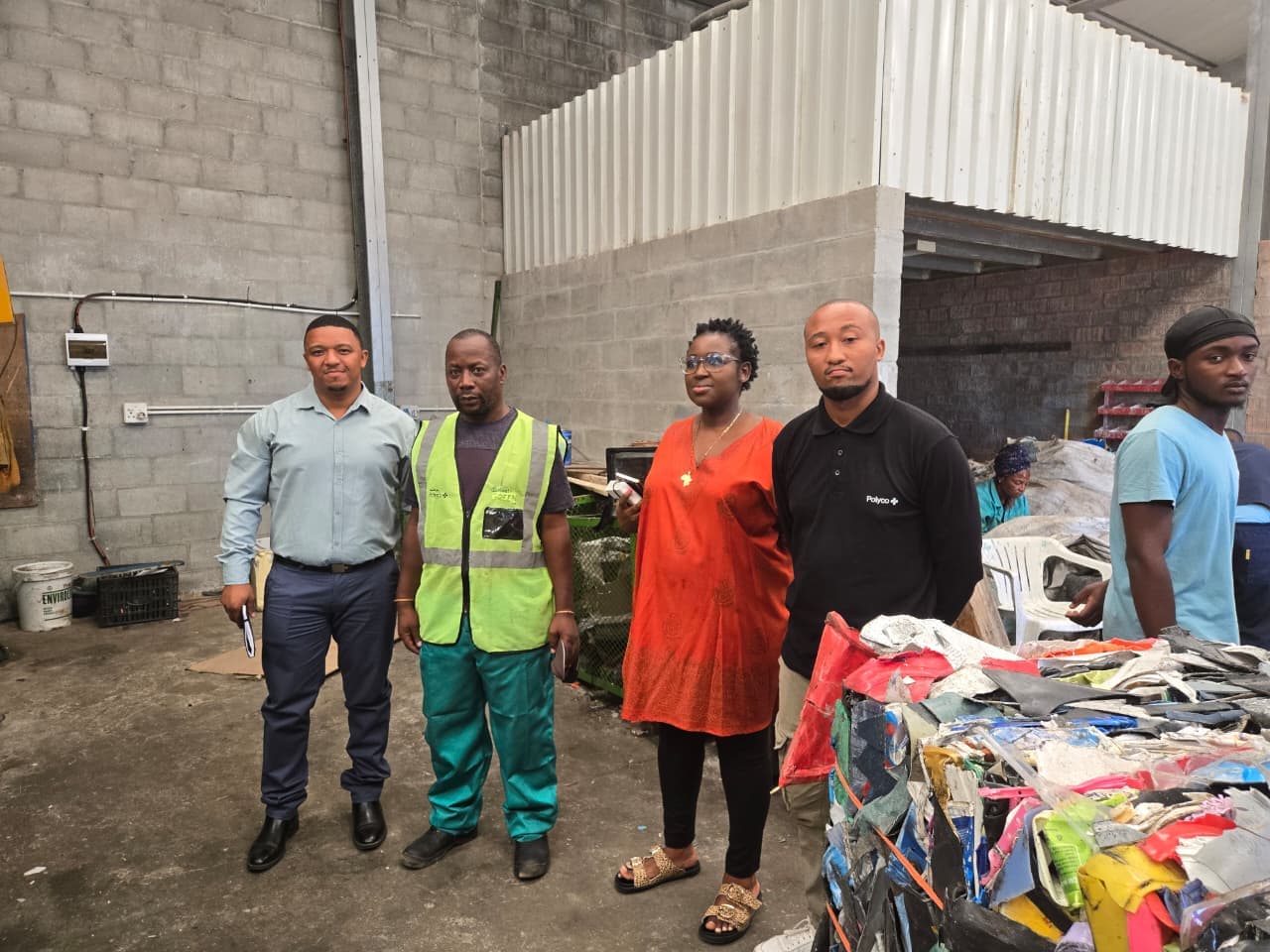
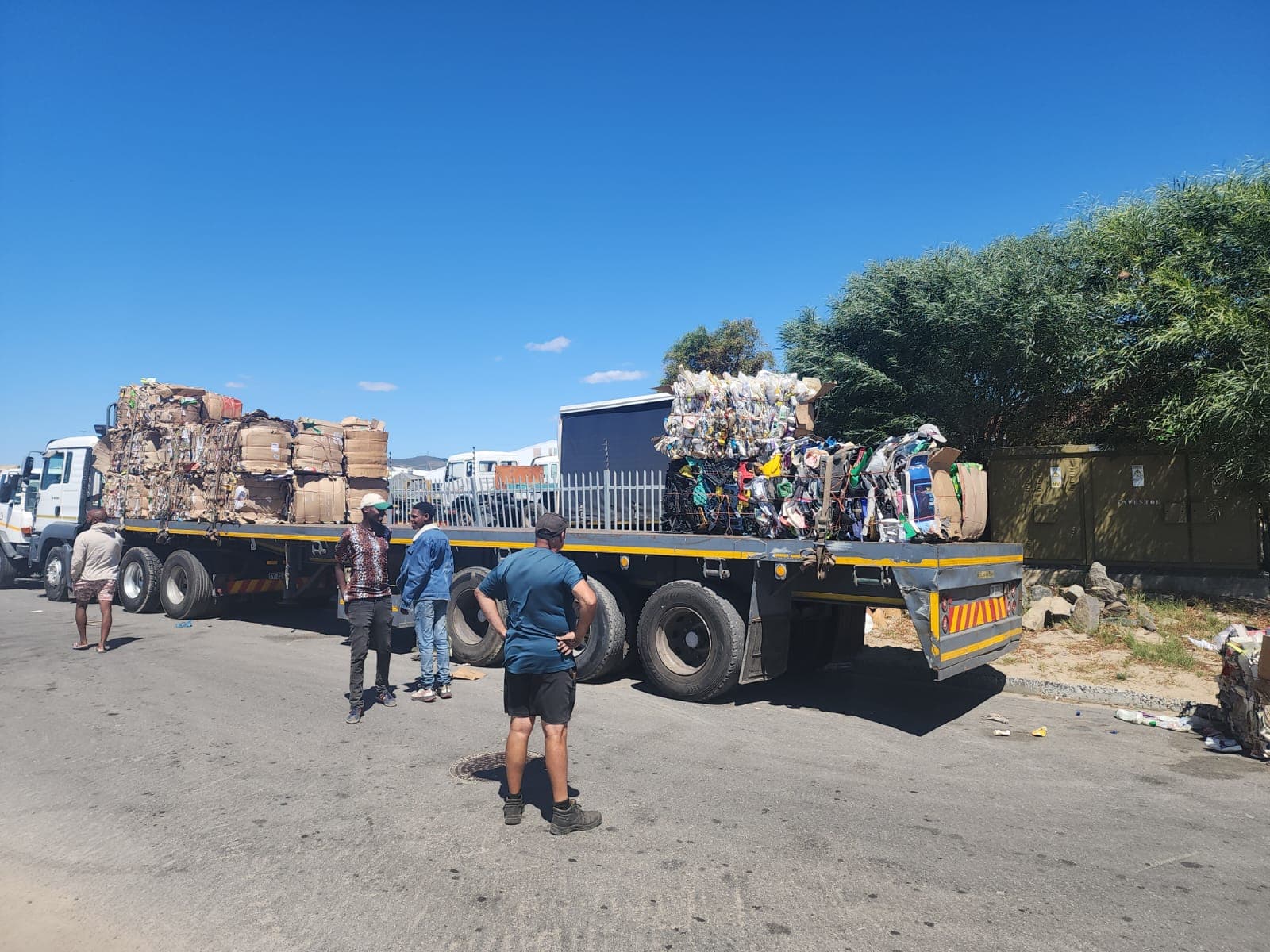
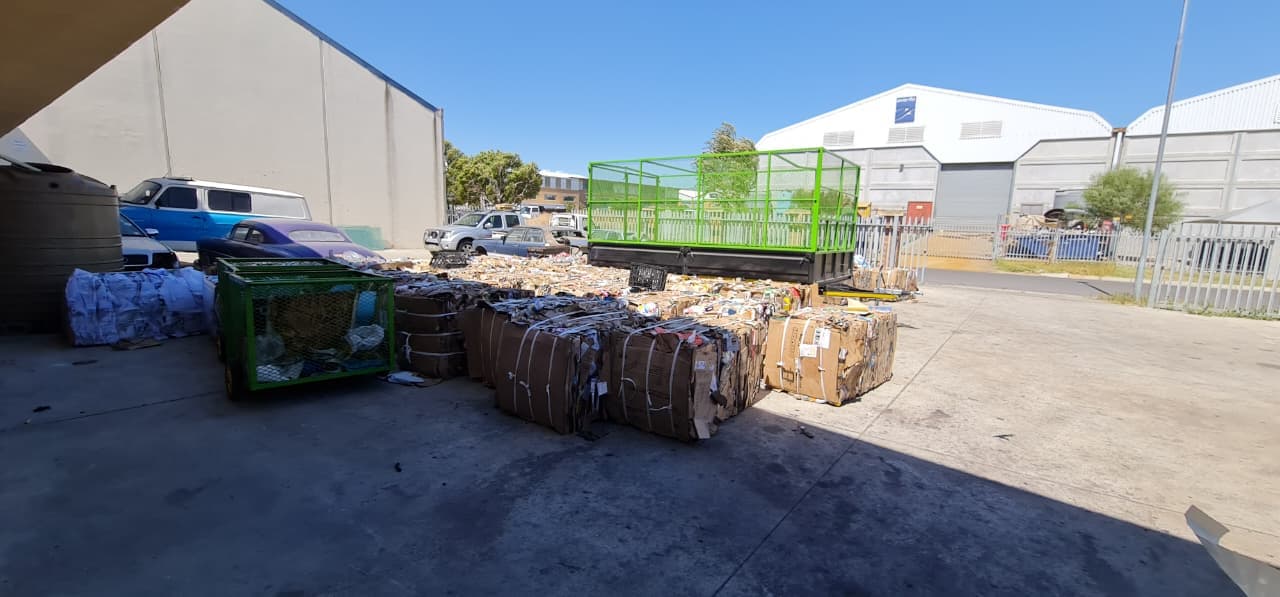
Local recyclers turn policy into reality on the ground — running buyback, sorting and baling material, supporting collectors, and shipping recyclables onward. WasteGo Green's work in Milnerton and surrounding communities is a piece of Cape Town's zero-waste puzzle, connecting households and collectors to the circular economy.
A goal worth chasing
Zero waste may be a horizon rather than a destination, but chasing it makes Cape Town cleaner, greener, more prosperous and more resilient. The journey is made of choices — yours included. To play your part and be rewarded for it, recycle with WasteGo Green.
Got recyclables? Turn them into cash.
Bring your sorted recyclables to WasteGo Green and get paid by weight.