The City of Cape Town's separation-at-source explained
Separation at source is the foundation of Cape Town's recycling drive. Here's what it means, why it matters, and how to do it.
If you've heard the City of Cape Town talk about waste, you've probably heard the phrase "separation at source". It sounds technical, but the idea is simple and it's the foundation of effective recycling. Here's what it means and how to do it.
What is separation at source?
Separation at source means sorting your waste where it's created — in your home, school or business — before it's collected, rather than mixing everything together and trying to separate it later. At its simplest, it's keeping your dry recyclables (bottles, cans, paper, plastic) apart from your wet, general waste (food scraps and non-recyclables).
Why it matters so much
Once recyclables are mixed with food waste and general rubbish, they become contaminated — soiled, wet and far harder (or impossible) to recycle. Separating at source keeps recyclables clean and valuable, which means:
- More material actually gets recycled instead of going to landfill.
- Higher-quality recyclables fetch better prices and find markets.
- Less waste to bury, extending the life of Cape Town's strained landfills.
- Lower costs for waste management over time.
In short, separation at source is the difference between recyclables that work and recyclables that get wasted.
The City's approach
The City of Cape Town actively promotes separation at source as part of its drive towards becoming a cleaner, more circular city and diverting waste from landfill. This is delivered through a mix of:
- Kerbside recycling collection in participating areas (such as the Think Twice programme).
- Drop-off and refuse facilities where residents can bring sorted material.
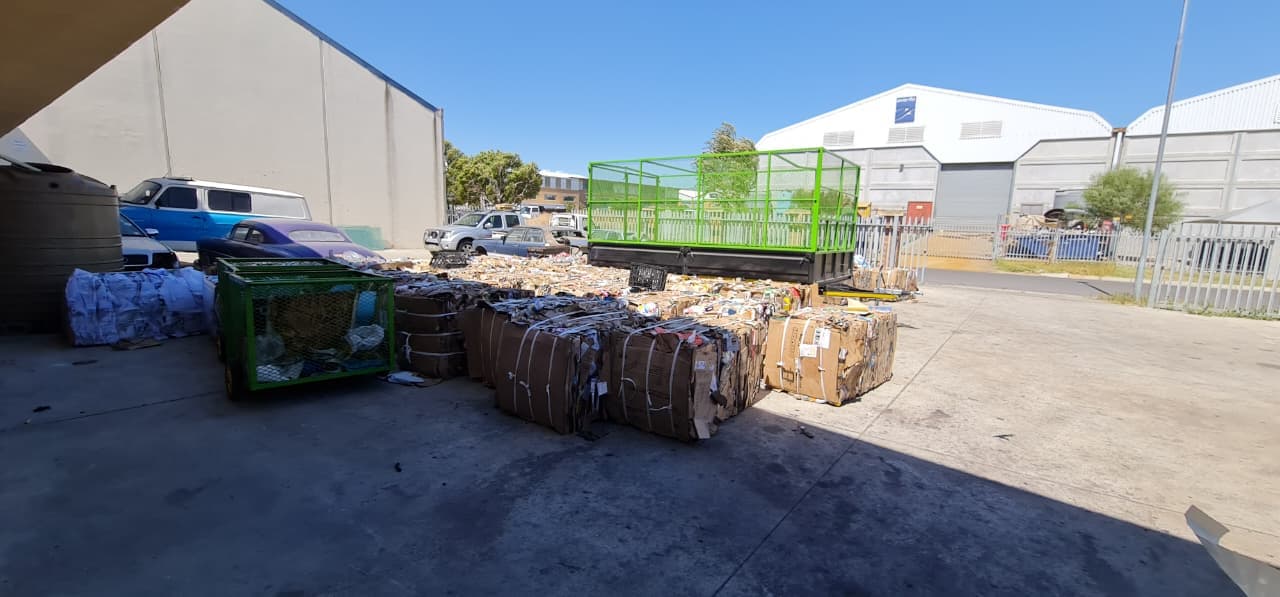
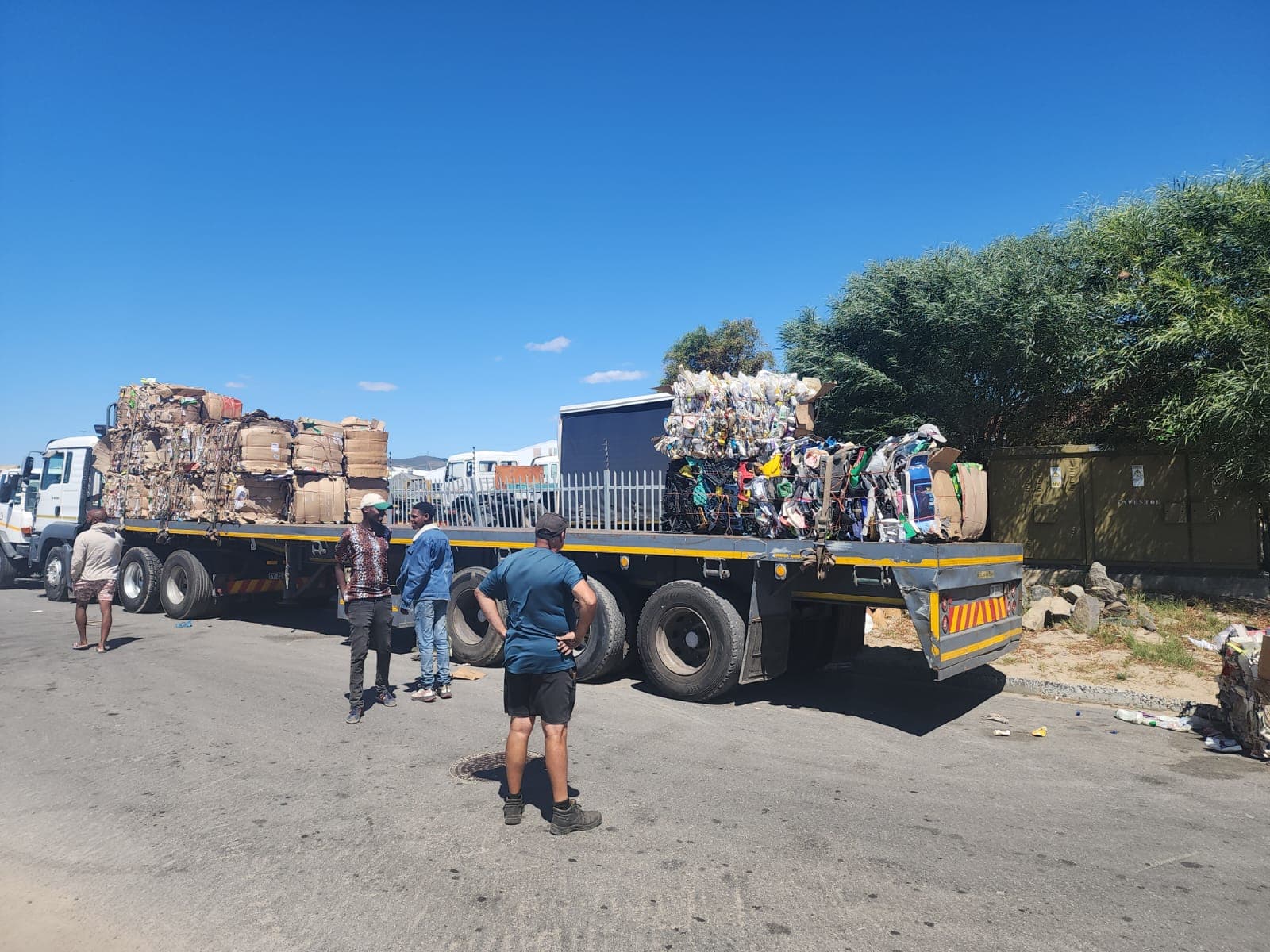
- Support for buyback centres and recyclers like WasteGo Green that handle the material.
- Education campaigns encouraging households to sort.
How to separate at source at home
It's easier than it sounds:
- Use two streams to start. One container for dry recyclables, one for general/wet waste.
- Keep recyclables clean and dry. Empty and rinse containers; keep paper away from food and moisture.
- Sort further if you can. Separate paper, plastics/cans and glass for even better results.
- Use clear bags for recyclables so they're visible and accepted.
- Know your route. Kerbside collection, a drop-off, or a buyback — choose what suits you.
Separation at source for complexes, schools and businesses
The same principle scales up. Complexes, schools and businesses set up labelled communal bins, educate users, and arrange collection of the separated streams. WasteGo Green helps these institutions design separation-at-source systems, supply bins and signage, and collect and report on the material — making compliance and impact easy.
The payoff
When separation at source becomes a habit across a city, the effects are transformative: cleaner streets, less landfill, a thriving recycling economy and real income for collectors and households. It's the small daily action — sorting your waste at home — that makes the whole system work.
Do your part
Separation at source costs nothing but a few seconds and a second bin. It's the single most important thing you can do to make recycling work in Cape Town. Start today, keep your recyclables clean and dry, and bring them to a buyback to be rewarded for your effort. To set up separation at source at your home, complex, school or business, contact WasteGo Green.
Got recyclables? Turn them into cash.
Bring your sorted recyclables to WasteGo Green and get paid by weight.