Turning your trash into income: a Cape Town side-hustle guide
Recyclables are a real, accessible income stream. Here's how Capetonians are building side-hustles — and even livelihoods — from waste.
In a city where every extra rand counts, there's an income stream hiding in plain sight: the bottles, boxes and cans most people throw away. Across Cape Town, thousands of people already earn from recyclables — from households topping up the budget to collectors who do it full time. Here's how to get started and grow.
The opportunity
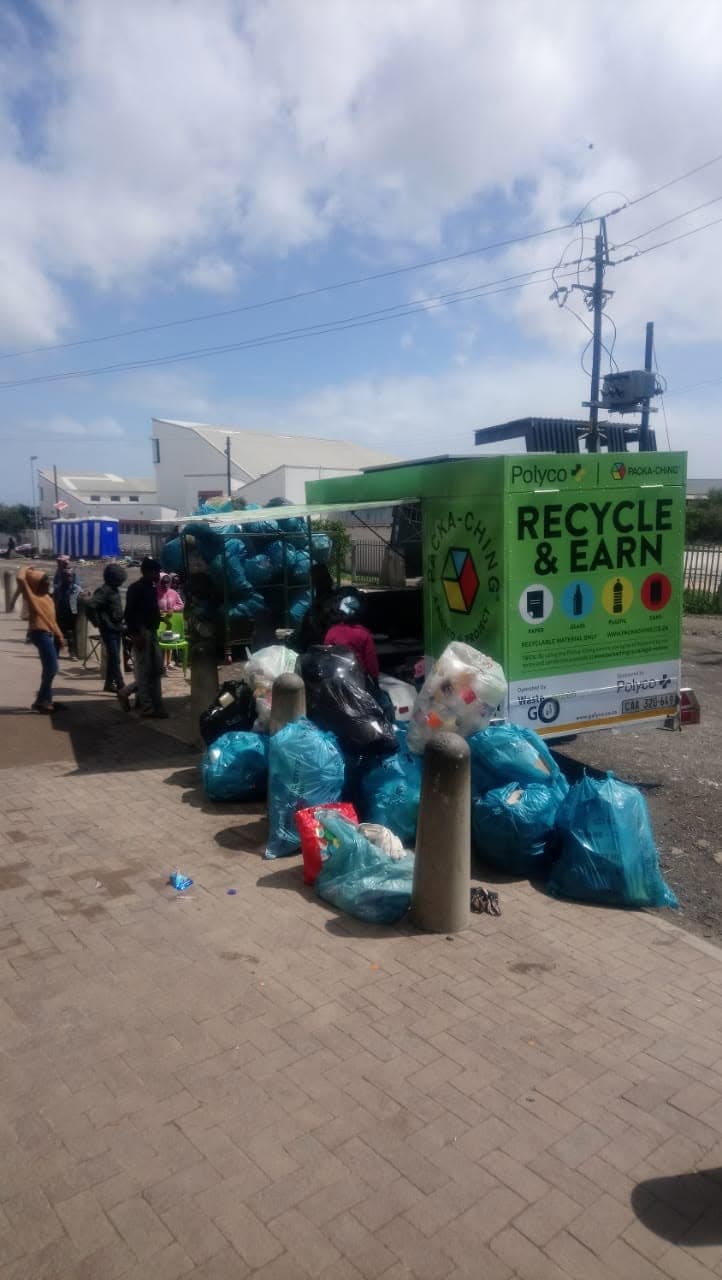
Recyclables have cash value because they are raw materials for manufacturing. Buyback centres and Packa-Ching days pay per kilogram for clean, sorted material. The barriers to entry are low: no startup capital, no qualifications, just effort and organisation. For many, it begins as a side-hustle and becomes something bigger.
Level 1: The household saver
The easiest start is simply selling what your own home produces.
- Keep three bags going: plastic, paper, cans.
- Rinse, dry and flatten as you go.
- Bring a full, sorted load to a buyback every week or two.
It won't make you rich on its own, but it turns a waste cost into a small, steady income — and it's a gateway to bigger ideas.
Level 2: The neighbourhood collector
Many successful collectors gather recyclables from beyond their own home:
- Ask your neighbours to keep their bottles and boxes for you instead of binning them.
- Approach small businesses — spaza shops, salons, offices and restaurants generate cardboard and cans daily.
- Set a routine so people know when you'll collect.
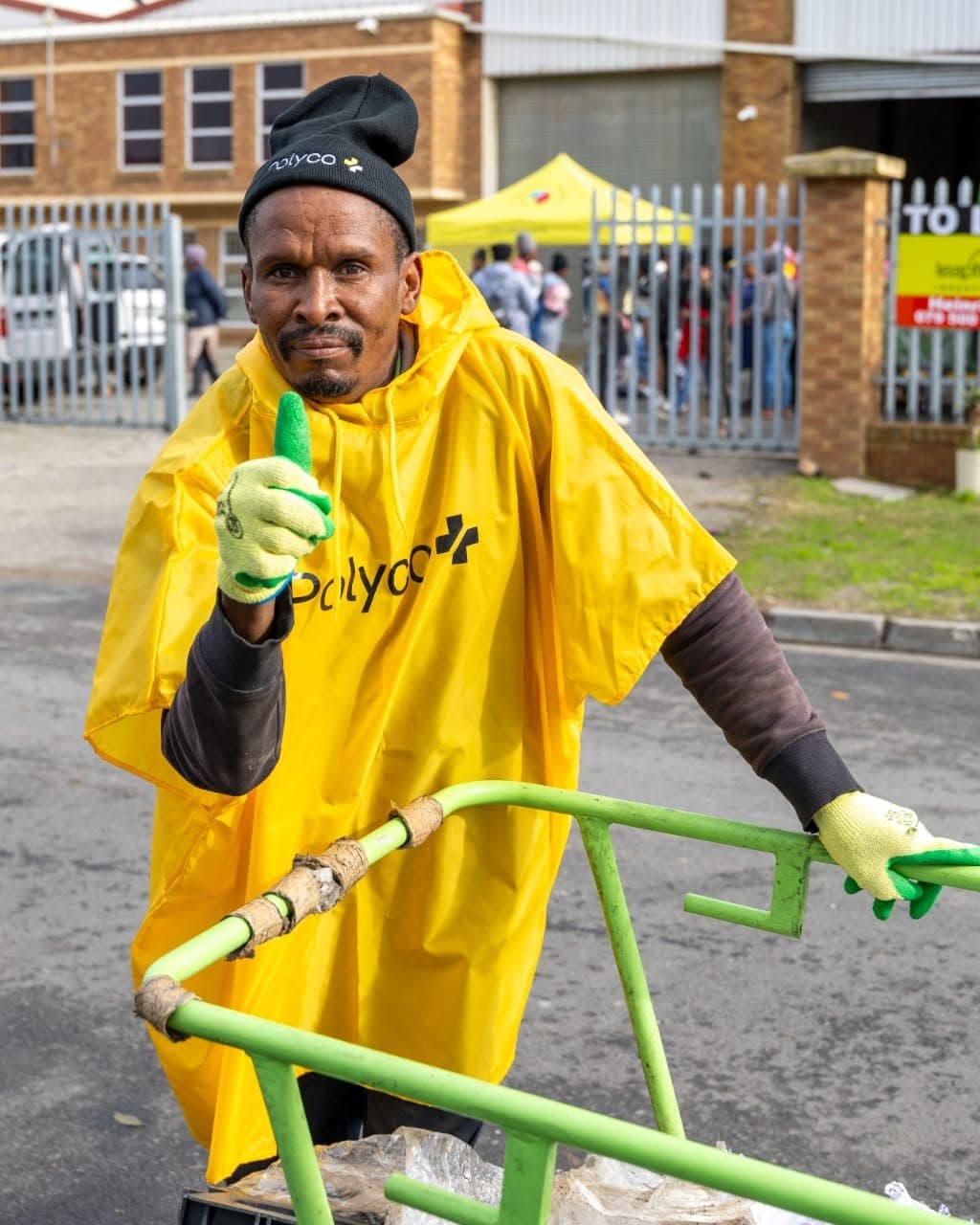
- Use the right equipment. A trolley, like WasteGo Green's purpose-built recycling collection trolley, lets you move far more safely and with dignity.
At this level, volume is everything. A reliable collector with a few steady supply points can earn a meaningful weekly income.
Level 3: The micro-enterprise
With consistency, a collector can grow into a small business:
- Aggregate material from several collectors and sell in bulk.
- Add value by cleaning and sorting more thoroughly to hit higher grades.
- Build relationships with a buyback partner who offers fair, transparent rates.
- Reinvest in storage, bags and transport to handle more volume.
This is exactly the journey WasteGo Green supports — connecting community collectors to the formal value chain so that informal work becomes sustainable enterprise.
Maximising your earnings
The same rules apply at every level:
- Clean and dry material earns more.
- Sorted streams beat mixed bags.
- Volume drives the payout, so store and save.
- Consistency builds supply relationships and trust.
Tools of the trade
- Sturdy reusable bags or bulk bags for storage and transport
- A trolley or cart for safe, high-volume collection
- Gloves and basic safety gear
- A dry storage spot
- A phone for your Packa-Ching wallet and to coordinate collections
Staying safe and dignified
Collecting recyclables is honest, valuable work, and it deserves respect. Wear gloves, stay visible near roads, and work with reputable buyback operators who pay fairly and transparently. WasteGo Green provides collectors with safety gear and a reliable place to sell — because dignity matters as much as the rand value.
The bigger win
When you earn from recyclables, you're not just helping yourself. You're keeping material out of overflowing landfills, feeding local manufacturing, and supporting Cape Town's transition to a circular economy. Every collector is a frontline worker in the city's clean-up.
Ready to start?
Begin this week with your own household waste, then expand. When you're ready to sell, reach out to WasteGo Green to find your nearest buyback point, learn the current rates, and — if you want to take it further — ask about becoming part of our collector network. Your trash really can be someone's treasure. Why not yours?
Got recyclables? Turn them into cash.
Bring your sorted recyclables to WasteGo Green and get paid by weight.