Why plastic film and bags are worth recovering
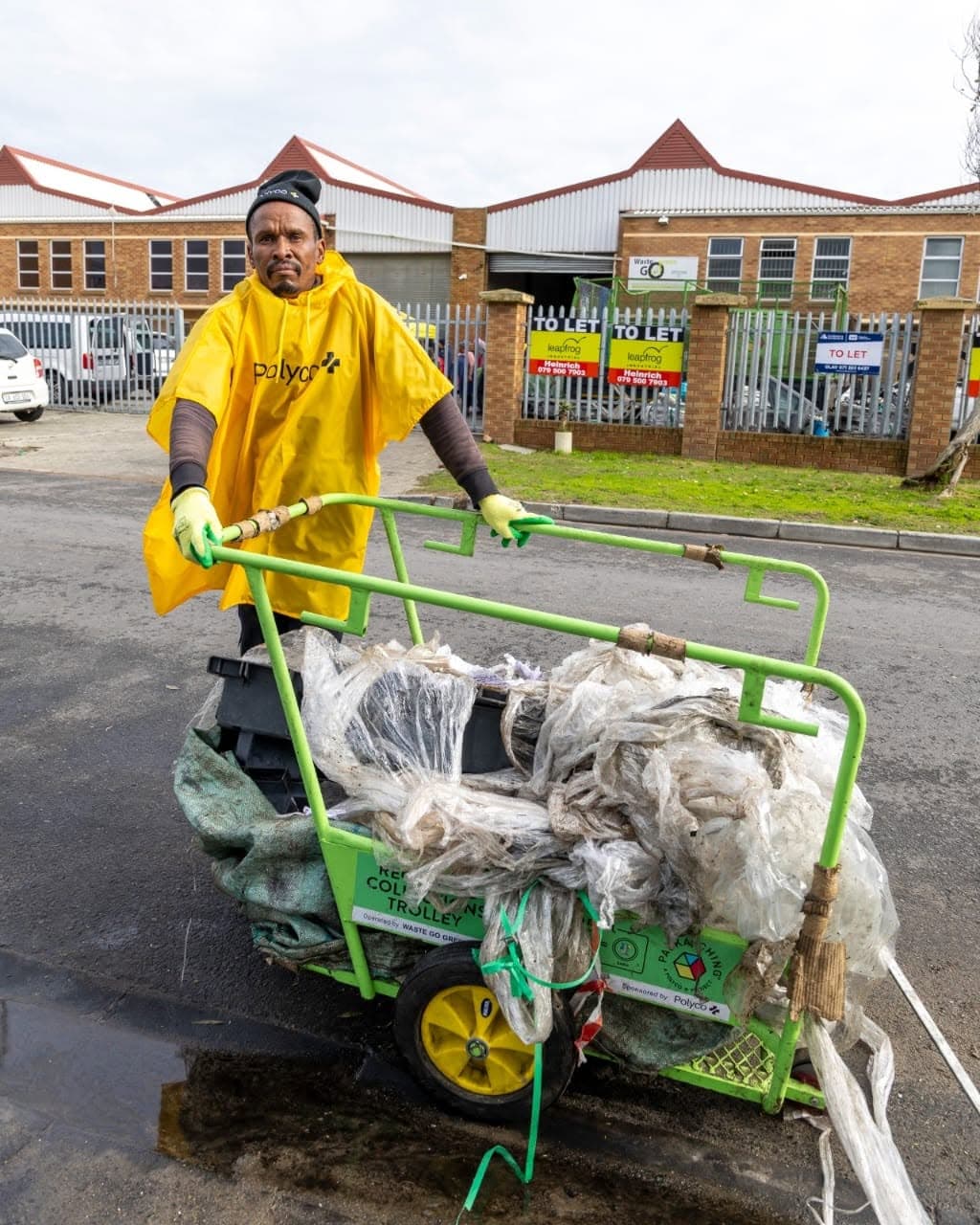
Soft plastics like shopping bags and packaging film are often binned, but clean film is a valuable, recyclable resource. Here's why.
Plastic film — shopping bags, bread bags, bubble wrap and packaging wrap — is one of the most common types of plastic in our daily lives and one of the most often thrown away. Yet clean film is a genuinely valuable, recyclable resource. Here's why it's worth recovering and how to do it right.
What counts as plastic film?
"Film" or "soft plastics" refers to flexible plastics you can scrunch in your hand, mostly made from LDPE (code 4) and some LLDPE/HDPE film. Common examples:
- Shopping and grocery bags
- Bread and produce bags
- Bubble wrap and pallet/shrink wrap
- Plastic packaging film and overwrap
- Bin liners (clean)
Why film is worth recovering
- There's a market for it. Clean film is reprocessed into new bags, refuse sacks, plastic lumber, pipes and other products.
- It's high-volume. Households and especially businesses generate large quantities, so it adds up fast for collectors.
- It causes harm if littered. Lightweight film is exactly the kind of plastic that blows into Cape Town's rivers, vleis and the sea. Recovering it protects the environment.
- It diverts landfill space. Bulky, light film takes up volume in landfills that are already running short.
The catch: it must be clean and dry
Film is only valuable when it's clean, dry and free of food. Greasy, wet or food-contaminated film is hard to recycle and can spoil a load. A bag that held bread is fine; a bag that held leftovers needs a rinse or belongs in general waste.
How to prepare film for recycling
- Empty and shake out any crumbs or debris.
- Keep it dry — store film somewhere covered.
- Stuff bags into one bag. A neat way to collect film is to fill a single shopping bag with all your other clean bags and film until it's a tight bundle.
- Keep it separate from rigid plastics, paper and cans.
- Remove non-film bits like paper labels and stickers where easy.
What to leave out
- Cling film and very thin food wrap that's heavily soiled
- Multi-layer pouches and chip packets (these are code 7, not recyclable)
- Film with lots of tape, food or liquid
Film and the circular economy
Recovering film is a great example of the circular economy in action: a throwaway item becomes feedstock for new products instead of pollution. Producer responsibility organisations like Polyco invest in growing markets for recovered plastics, including film, which is why buyback and collection of soft plastics keeps improving.
A note for businesses
Shops, warehouses and offices generate enormous volumes of clean shrink wrap and packaging film. For these businesses, separating film isn't just good for the environment — it's a meaningful, recoverable material stream. WasteGo Green can help businesses set up film collection alongside cardboard and other recyclables.
The takeaway
Don't write off the humble plastic bag. Clean, dry film is a recyclable resource that earns value, protects waterways and saves landfill space. Bundle it, keep it dry, and bring it to your next buyback or collection. To find out how to recycle film from your home or business, contact WasteGo Green.
Got recyclables? Turn them into cash.
Bring your sorted recyclables to WasteGo Green and get paid by weight.