Community clean-ups that actually change behaviour
A clean-up that leaves no lasting change is a missed opportunity. Here's how to run drives that shift habits, not just collect litter for a day.
Community clean-ups are powerful — but a clean-up that leaves the same streets littered a week later is a missed opportunity. The best drives don't just remove rubbish for a day; they shift habits, build pride and connect people to recycling systems that keep the change going. Here's how to run clean-ups that actually last.
Why clean-ups sometimes fail to stick
A one-off clean-up can feel great and look great, but if nothing changes underneath, the litter returns. The reasons are usually:
- No follow-up system for ongoing waste and recycling
- The clean-up treated as charity for a community rather than with it
- No link between the clean-up and the value of recyclables
- A single event with no rhythm or reinforcement
The fix is to design clean-ups as part of a bigger, ongoing effort.
Principle 1: Make it community-led
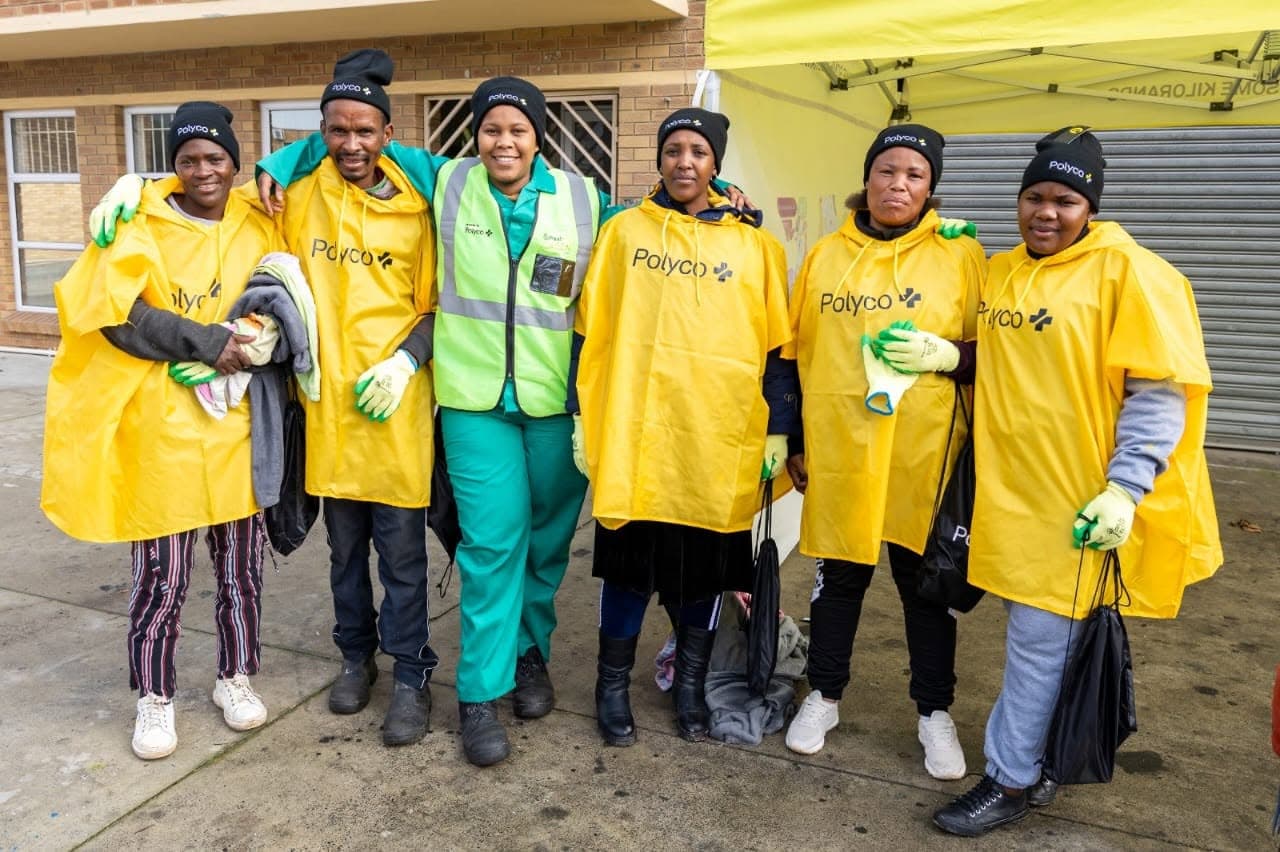
Behaviour changes when people own the effort. Involve local residents, leaders, schools and businesses in planning, not just participating. When a community organises its own clean-up, it builds collective responsibility that outlasts any single day.
Principle 2: Connect litter to value
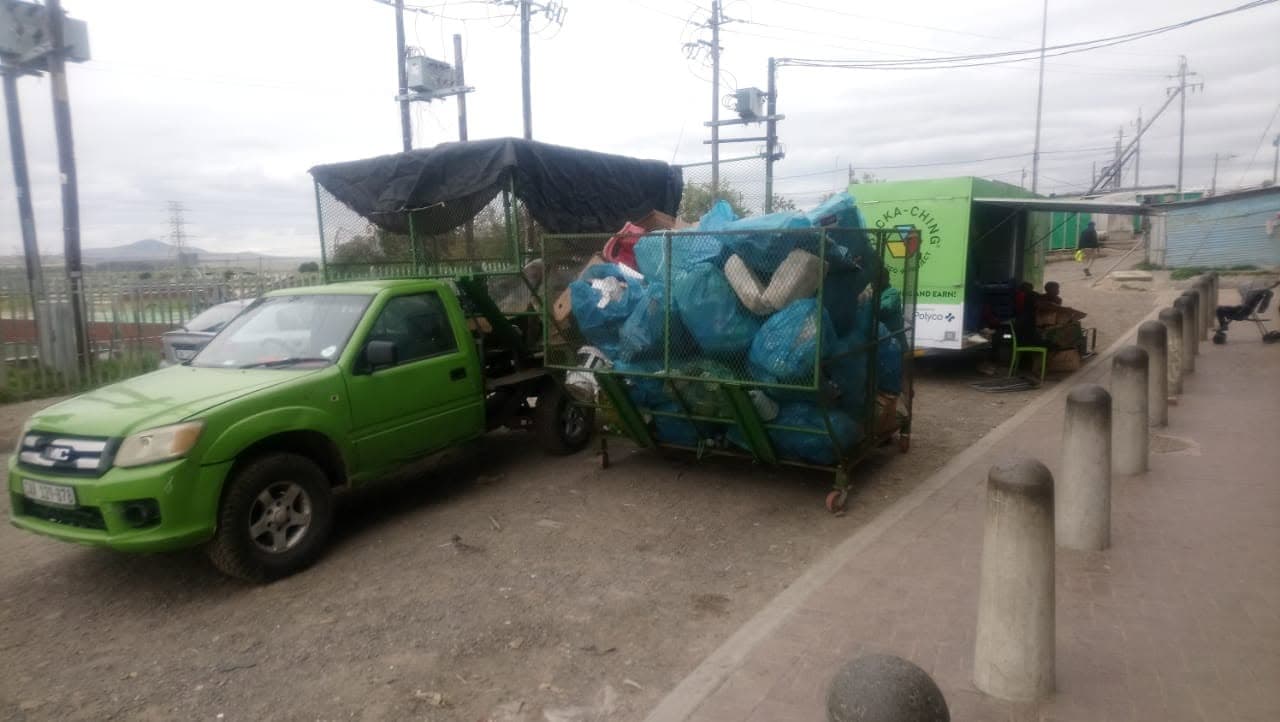
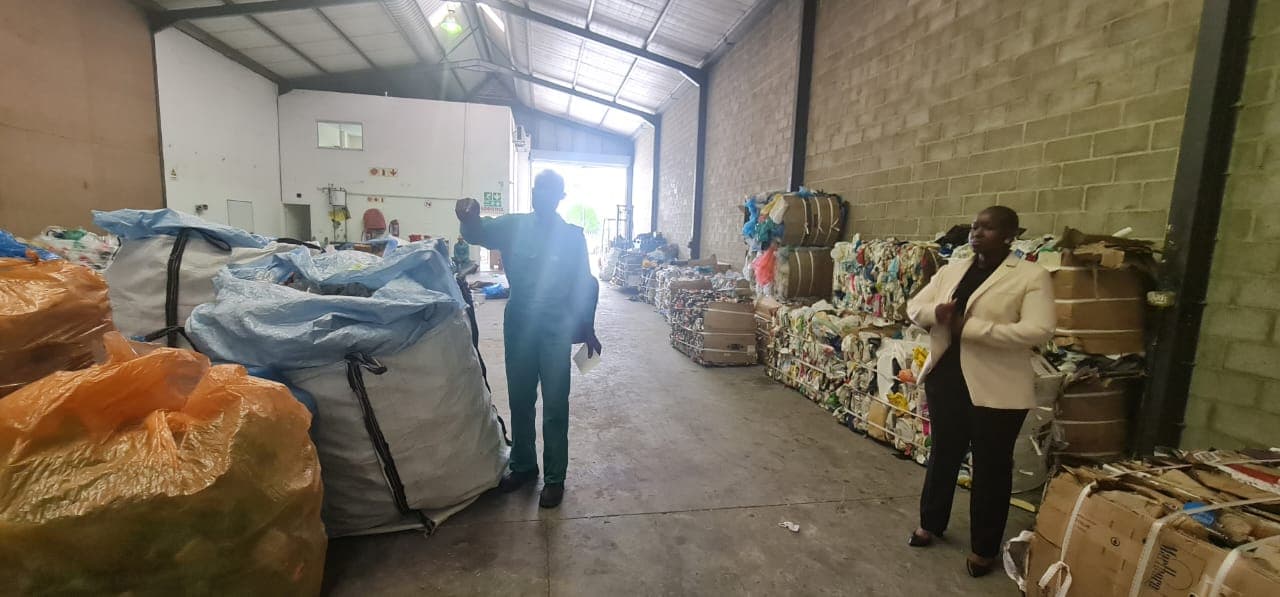
A clean-up is the perfect moment to show that "waste" is actually worth money. Sort the collected material, separate the recyclables, and demonstrate that bottles, cans and cardboard can be sold at buyback. Pairing a clean-up with a Packa-Ching buyback day turns abstract environmentalism into tangible income — a far stronger motivator than guilt.
Principle 3: Provide the infrastructure
People can't recycle if there's nowhere to put recyclables. Use clean-ups to introduce or reinforce:
- Communal recycling bins and clear signage
- Knowledge of where and when to sell recyclables
- Collection schedules residents can rely on
Behaviour follows convenience. Make the right thing the easy thing.
Principle 4: Educate while you act
A clean-up is a hands-on classroom. Use it to teach:
- How to sort recyclables from general waste
- Which materials have value
- Why illegal dumping harms health, drains and waterways
- How recycling creates local jobs
Bring children and youth in — they carry lessons home and become long-term champions.
Principle 5: Celebrate and measure
- Weigh what you collect and share the number: "We removed X kg today."
- Recognise volunteers and local heroes.
- Take before-and-after photos to build pride and momentum.
- Set a date for the next one so it becomes a habit, not an event.
Principle 6: Make it regular
A single clean-up is a gesture; a series is a movement. Regular drives — monthly or quarterly — keep standards high, normalise the behaviour, and gradually shift the community's relationship with waste.
The role of partners
Organisations like WasteGo Green can amplify a community's clean-up by providing buyback on the day, bags and gear, sorting expertise, and a reliable route for the recyclables. The combination of community ownership and professional support is what makes change durable.
A cleaner future, built together
The goal isn't just a clean street for a photo — it's a community where dumping feels unacceptable, recycling feels normal, and waste is seen as a resource. Clean-ups, done right, are the spark. The system, the education and the income are what keep the fire burning.
Planning a clean-up in your community, school or complex? Partner with WasteGo Green and let's make it one that lasts.
Got recyclables? Turn them into cash.
Bring your sorted recyclables to WasteGo Green and get paid by weight.