Joe Slovo's recyclers: the people powering the circular economy
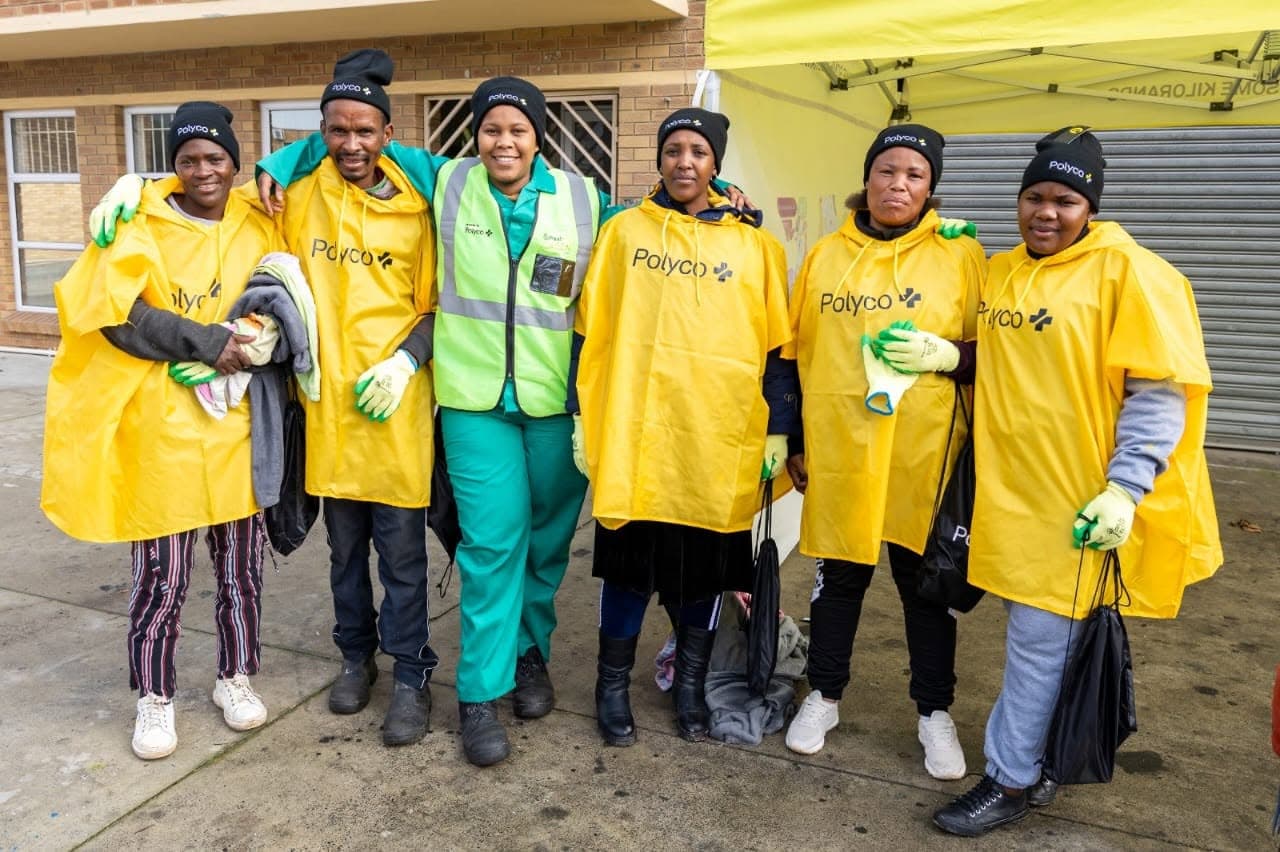
Behind every bale of recyclables are people. Meet the collectors of Joe Slovo who keep the circular economy turning, one bag at a time.
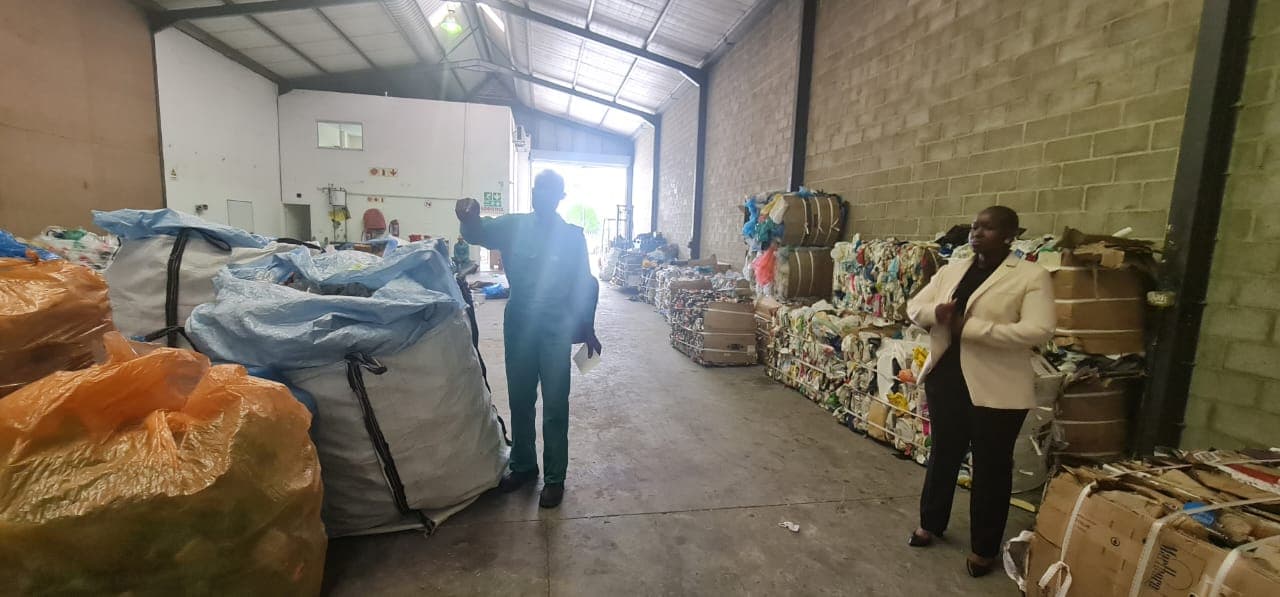
Every clean bale of cardboard, every bag of sorted bottles, every kilogram of recovered plastic starts with a person. In communities like Joe Slovo, it's the collectors — often working long hours by hand and trolley — who keep the recycling system, and the circular economy, turning. This is their story.
The unsung backbone of recycling
South Africa's recycling rates are among the better performers in the developing world, and a large share of that success rests on the shoulders of informal collectors. Across the country, hundreds of thousands of people make a living gathering recyclables, and they recover a remarkable proportion of the material that gets recycled. Without them, far more would simply go to landfill.
In Joe Slovo, these collectors are neighbours, parents and entrepreneurs who saw opportunity in what others discard.
A day in the life
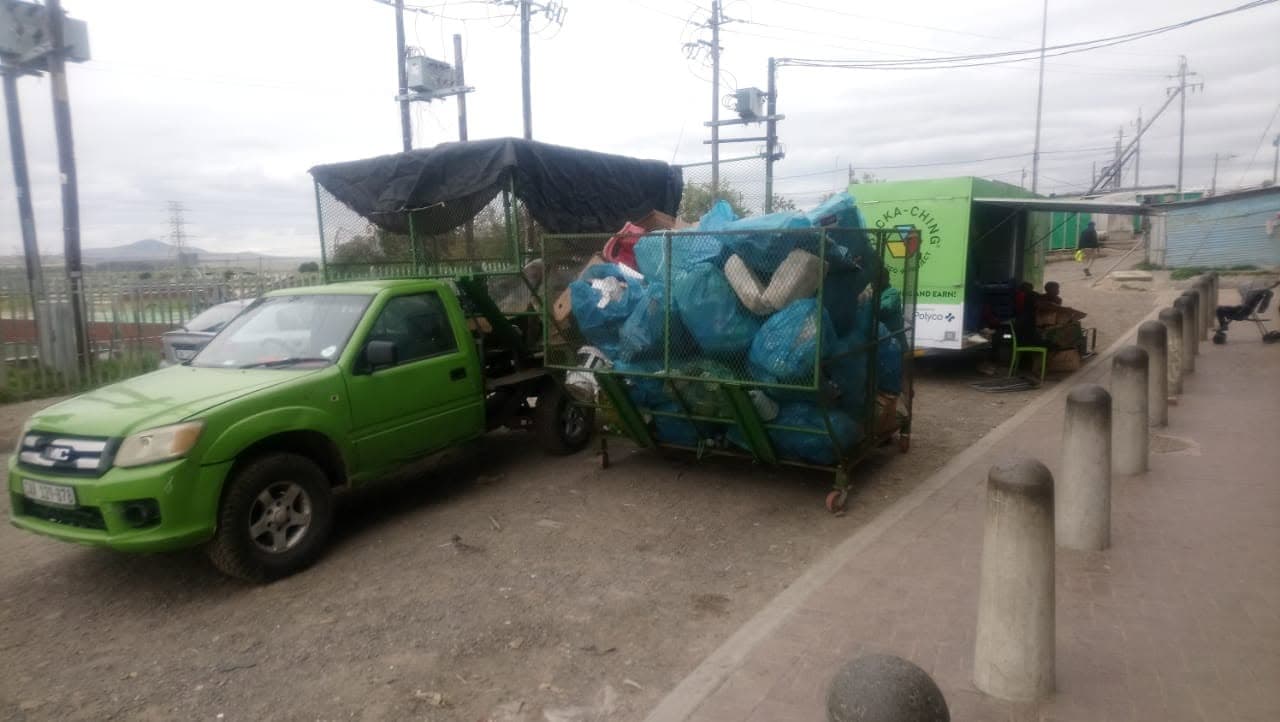
A collector's day often starts early. Armed with bags or a trolley, they move through the community and surrounding areas gathering bottles, cans, cardboard and plastic. The material is sorted and cleaned, then stored until there's enough to sell. On buyback days, they bring their load to weigh in and get paid.
It's physical, demanding work that requires hustle, organisation and persistence. The reward is real income earned through honest effort.
How buyback supports them
WasteGo Green's buyback model is built around making this work viable and dignified:
- Fair, transparent rates so collectors are paid honestly by weight.
- Convenient access through Packa-Ching buyback days close to home.
- Digital payment that's safe and creates a financial record.
- Safety gear and trolleys that make the work safer and more productive.
- A reliable buyer so collectors always have somewhere to sell.
By connecting informal collectors to the formal value chain, buyback turns precarious, undervalued work into something more stable and respected.
From collector to entrepreneur
Many collectors don't stop at gathering their own material. The most enterprising build small businesses — aggregating recyclables from others, improving sorting to hit better grades, and growing their volumes. This is the circular economy creating jobs from the ground up, exactly the kind of inclusive enterprise the City of Cape Town and national strategy want to encourage.
The dignity question
For too long, collecting recyclables has been looked down on. But this is essential environmental work that keeps the city cleaner and feeds local manufacturing. Treating collectors with respect — providing decent gear, fair pay and safe conditions — isn't just kind; it's how you build a recycling system that lasts. WasteGo Green is committed to that dignity.
Why it matters for everyone
When you sort your recyclables and bring them to a buyback, you're supporting these collectors and the whole chain behind them. When producers pay EPR fees, that money helps fund the systems collectors rely on. Every part connects: households, collectors, operators, recyclers and producers, all turning waste back into resource.
Honouring the people behind the bale
The collectors of Joe Slovo and communities like it are the human engine of Cape Town's circular economy. They deserve recognition, fair reward and a clear path to grow. By recycling, buying back fairly and supporting collectors, we can build a system that's good for the environment and for the people who make it work.
Interested in collecting, or supporting collectors in your area? Contact WasteGo Green.
Got recyclables? Turn them into cash.
Bring your sorted recyclables to WasteGo Green and get paid by weight.