Illegal dumping in Cape Town: causes, costs and solutions
Illegal dumping blights communities, harms health and clogs drains. Understanding why it happens points the way to stopping it.
Few things damage a neighbourhood as visibly as illegal dumping — piles of rubble, waste and rubbish on verges, open spaces and riverbanks. It's unsightly, unhealthy and costly. But dumping isn't random; it has causes, and understanding them points the way to real solutions.
What counts as illegal dumping?
Illegal dumping is disposing of waste in places not designated for it — on pavements, open land, in rivers and vleis, or anywhere other than proper bins, drop-offs and landfills. It ranges from a bag of household rubbish tossed on a verge to truckloads of building rubble dumped on open ground.
The costs of dumping
Illegal dumping carries heavy costs:
- Health hazards. Dump sites attract vermin and disease and expose communities, especially children, to dangerous waste.
- Environmental harm. Dumped waste pollutes soil and water, and litter washes into rivers, vleis and the ocean.
- Flooding. Waste clogs stormwater drains, worsening floods in winter.
- Economic blight. Dumping lowers property values, deters investment and signals neglect.
- Clean-up burden. The City spends large sums removing illegally dumped waste — money that could be used elsewhere.
Why people dump
Dumping persists because of a mix of factors:
- Lack of access. Where proper disposal or collection is inconvenient, distant or absent, some resort to dumping.
- Cost avoidance. Disposing of builders' rubble or bulky waste properly can cost money; dumping is "free".
- Convenience. A nearby verge is easier than a trip to a drop-off.
- Broken-windows effect. Once dumping starts somewhere, it attracts more — a dirty site signals that dumping is acceptable.
- Weak deterrence. If dumping is rarely caught or penalised, the risk feels low.
- Lack of awareness. Some don't fully grasp the harm or the alternatives.
Solutions that work
Tackling dumping requires attacking these causes together:
1. Make proper disposal easy and accessible
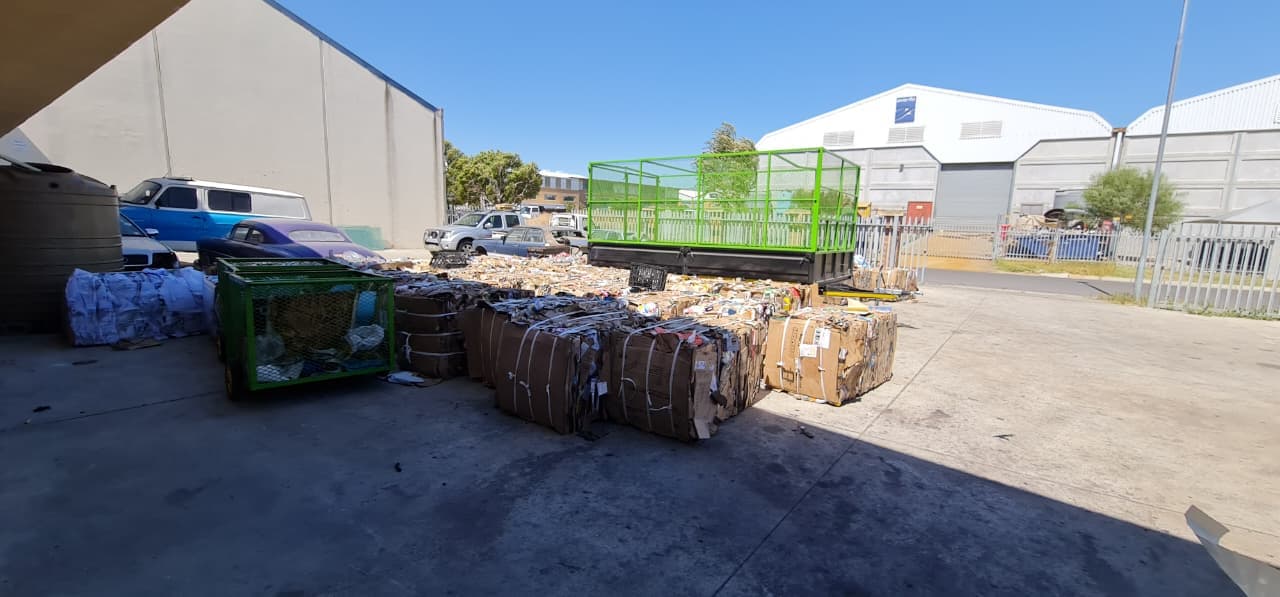
People dump less when doing the right thing is convenient. Accessible drop-offs, kerbside collection, and buyback points that bring recycling into communities reduce the excuse and the incentive to dump. When recyclables have a nearby home — and even pay — they're far less likely to end up on a verge.
2. Turn waste into value
Buyback flips the economics of dumping. Why dump bottles and cardboard when you can sell them? Initiatives like Packa-Ching make recyclables an asset, not a burden, removing a chunk of what would otherwise be dumped.
3. Clean up and keep clean
The broken-windows effect cuts both ways. Cleaning a dump site and keeping it clean — with community ownership, greening or repurposing — discourages repeat dumping. A maintained space signals that dumping won't be tolerated.
4. Educate and engage communities
Awareness of the harms, the alternatives and the shared responsibility shifts behaviour. Community-led clean-ups, school programmes and visible recycling all build a culture that rejects dumping.
5. Enforce fairly
Deterrence matters. Enforcing the bylaw, supported by reporting hotlines and, where possible, monitoring of hotspots, raises the cost of dumping — most effective when paired with easy legal alternatives.
A community effort
No single actor can end dumping alone. It takes the City providing services and enforcement, operators like WasteGo Green providing accessible recycling and buyback, and communities taking ownership of their spaces. Together, these turn the tide.
Your part
- Dispose properly and never dump.
- Recycle and sell rather than discard.
- Report dumping hotspots to the City.
- Join clean-ups and help keep spaces clean.
- Encourage neighbours to do the same.
Illegal dumping is a solvable problem when proper disposal is easy, waste has value, communities are engaged, and the rules are enforced. WasteGo Green helps by making recycling accessible and rewarding. Work with us to keep your community clean.
Got recyclables? Turn them into cash.
Bring your sorted recyclables to WasteGo Green and get paid by weight.